Start with what you want to understand
If acne scars are the reason you are considering microneedling, start the appointment with a description of what bothers you. You do not need to arrive with a diagnosis or a procedure already chosen. Explain what you notice and ask the clinician to assess it.
Write down the areas you want to discuss. Describe whether your concern is texture, a visible mark, a depression or something you are unsure how to name. If you have photographs that help explain your concern, ask how the practice wants you to bring them. Do not send health information through a public comment or ordinary marketing form.
This worksheet helps you organize a conversation. It does not establish that you are a candidate for microneedling or that one procedure can address every concern.
Bring a treatment history you can explain
List previous procedures affecting the area, approximate dates and any reactions or concerns you remember. Tell the clinician if you do not know the name of a treatment rather than guessing. Bring the information you do have and ask what other records would help.
Ask the practice what medication, skincare and health-history information it needs before the visit. Do not change a prescription or stop a product because of a blog checklist. Get individualized instructions from the clinician responsible for your care.
If you have tried another treatment for the same concern, describe what changed and what did not. An honest account of your experience is more useful than deciding that a new treatment must work because the earlier one did not.
Ask what the clinician sees
Use the appointment to understand the assessment before discussing a package. Ask: “What do you think is contributing to the appearance I am describing?” Then ask which parts of the concern the recommendation is intended to address.
The distinction matters because the word “scar” does not, by itself, identify a treatment plan. If the explanation uses unfamiliar terms, ask the clinician to show you what they mean on your own skin or an appropriate diagram.
Write down the explanation in ordinary words. You should be able to tell someone afterward why the clinician proposed that approach, which concerns it may leave unchanged and what uncertainty remains.
Confirm the exact proposed procedure
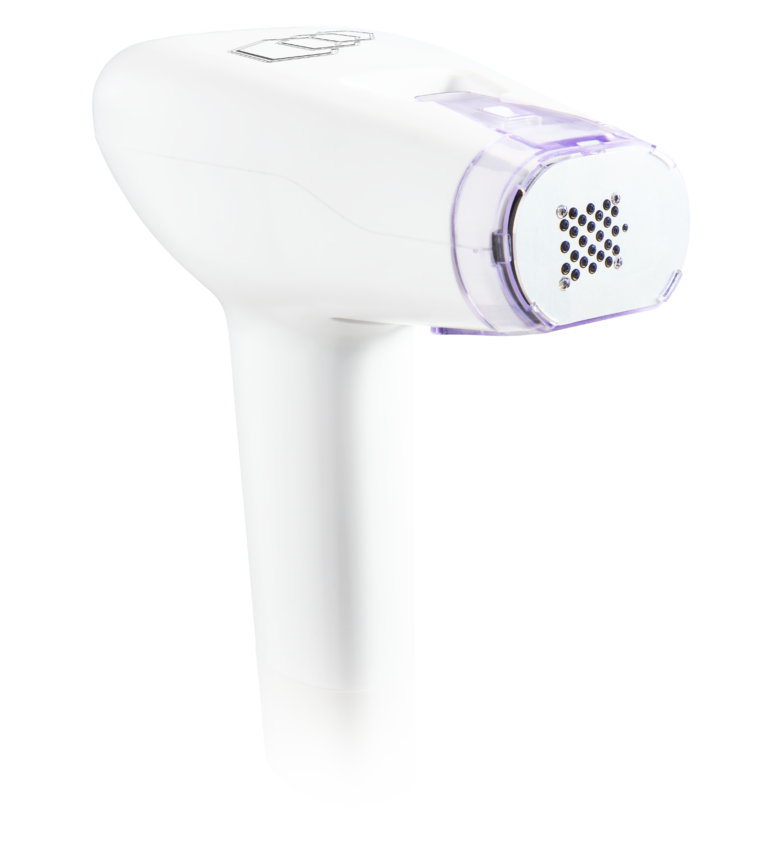
If microneedling is recommended, ask which procedure and device are being proposed. Do not assume every treatment described as microneedling uses the same equipment or has the same risks, preparation and recovery instructions.
For background on the practice's existing offerings, read its microneedling service page and standard-versus-RF comparison. Use those pages to identify questions, then ask the treating clinician how the recommendation applies to you.
Questions to record include: Why this approach? What alternatives should I consider? What is the reason to wait, decline or seek another opinion? What result would be unrealistic for the concern we are discussing?
Discuss risks and recovery before deciding
Ask for the risks and recovery expectations of the exact proposed treatment. Ask which parts of your history affect that discussion and what signs after a procedure would require contacting the practice or seeking urgent care.
Do not treat a “safe for all skin types” headline as a personalized clearance. The American Academy of Dermatology's microneedling guide provides general background, including risks; it cannot replace an assessment or the instructions for your actual procedure.
Before booking around work, travel or an event, explain your schedule and ask whether the proposed timing makes sense. Get preparation and aftercare instructions directly from the practice. Do not borrow them from a different device's guide or another person's experience.
Leave with a written plan you can evaluate
Ask what is included in the quoted price and what would be charged separately. If a series is proposed, ask how the clinician will decide whether to continue, change the plan or stop. Do not interpret a proposed schedule as a guaranteed outcome.
Use this record during the visit:
| Question | Notes from the consultation |
|---|---|
| What concern and area did we assess? | ____________________ |
| What explanation did the clinician give? | ____________________ |
| Which exact treatment and device were proposed? | ____________________ |
| What alternatives or reasons to wait did we discuss? | ____________________ |
| What can this approach reasonably address? | ____________________ |
| What risks and recovery instructions apply to me? | ____________________ |
| What is included in the cost? | ____________________ |
| How will progress and next steps be assessed? | ____________________ |
| How do I contact the practice about a concern? | ____________________ |
You can take time to consider the recommendation. If an answer is unclear, ask for clarification before deciding. A useful consultation leaves you understanding the proposal and its limits, with instructions you can find again when you need them.
Make the worksheet useful before the visit
Our microneedling acne-scar consultation worksheet is designed to keep your questions and the answers together. It is a note-taking tool, not a treatment recommendation. You can use the blank fields without completing every line in advance. Leave clinical explanations for the clinician and write “not sure” where you need help understanding a term.
Before the appointment, separate your notes into three short lists: what you notice, what you have already tried and what you want answered. That structure can help you explain why you booked the consultation without turning your notes into a self-diagnosis. If you have several concerns, identify the one you most want to discuss first and tell the clinician about the others too.
Use specific descriptions that reflect your own experience. For example, “I notice this area in side lighting” explains an observation. “I need this exact procedure” skips the assessment you came for. You can ask whether a description you read online fits your concern without assuming that it does.
Keep questions and instructions in separate columns
During the conversation, distinguish your questions from the instructions you receive. A question such as “Will I need time away from work?” is not an aftercare direction. Write the answer beside it and ask for clarification if the wording is too broad to plan around.
For instructions, note who provided them, the date and which proposed procedure they concern. If the plan changes later, ask for the corresponding instructions rather than relying on an older set. This is a practical way to organize information; it does not tell you what any medical instruction should be.
If you prefer to take a support person to an appointment, ask the practice about its arrangements beforehand. You can also ask whether written information is available to review afterward. Do not assume an appointment can be recorded; ask about the practice's policy and obtain the appropriate consent before recording anyone.
Build a cost record without guessing the treatment plan
Use the quoted price from your own consultation. Do not substitute a search advertisement, an old social post or a package offered for another procedure. Record the exact service name and ask what the price includes. If there are separate fees, ask for those to be identified before you decide.
A simple budget record can include the consultation fee, any proposed procedure charge, items the practice says are optional, and the terms attached to a package. Ask which charges apply now and which would apply only if you choose to proceed. A budget worksheet does not establish how many treatments you need.
| Cost detail | Information to confirm |
|---|---|
| Consultation charge, if any | Ask the practice for the current amount |
| Exact service being quoted | Match the written recommendation |
| Included and separately charged items | Request an itemized explanation |
| Package conditions, if offered | Read the actual written terms |
| Cancellation or rescheduling rules | Confirm before reserving time |
| Questions still open | Keep these separate from agreed terms |
If you are comparing recommendations, compare what each one includes. Different service names, devices, treatment areas or follow-up arrangements can make two prices difficult to compare directly. Ask each practice to explain its own proposal rather than guessing that the lower or higher price represents the same care.
Write a decision note you can revisit
At the end of the consultation, summarize the next step in one or two sentences. Your note might say that you are gathering more information, considering the recommendation, arranging another assessment or choosing not to proceed. Record the decision you made rather than treating the consultation itself as a commitment to treatment.
Keep unanswered questions visible. If you do not understand the proposed procedure, its limits, its risks or its cost, note which answer you still need. You can use that list when contacting the practice through its designated channel. Send only the information appropriate to that channel and ask how to provide sensitive material securely if it is needed.
Return to the worksheet if your plans change. A different treatment proposal deserves a fresh explanation, and an old quote should be checked before you rely on it. Your notes should help you follow the conversation, not substitute for current instructions.
For the next conversation, start with the Dr Refresh microneedling service information. Bring the questions that remain after reading it and ask the clinician to explain the options relevant to your assessment.