IV Therapy in West Hollywood
Settle in. Your cells get the afternoon.
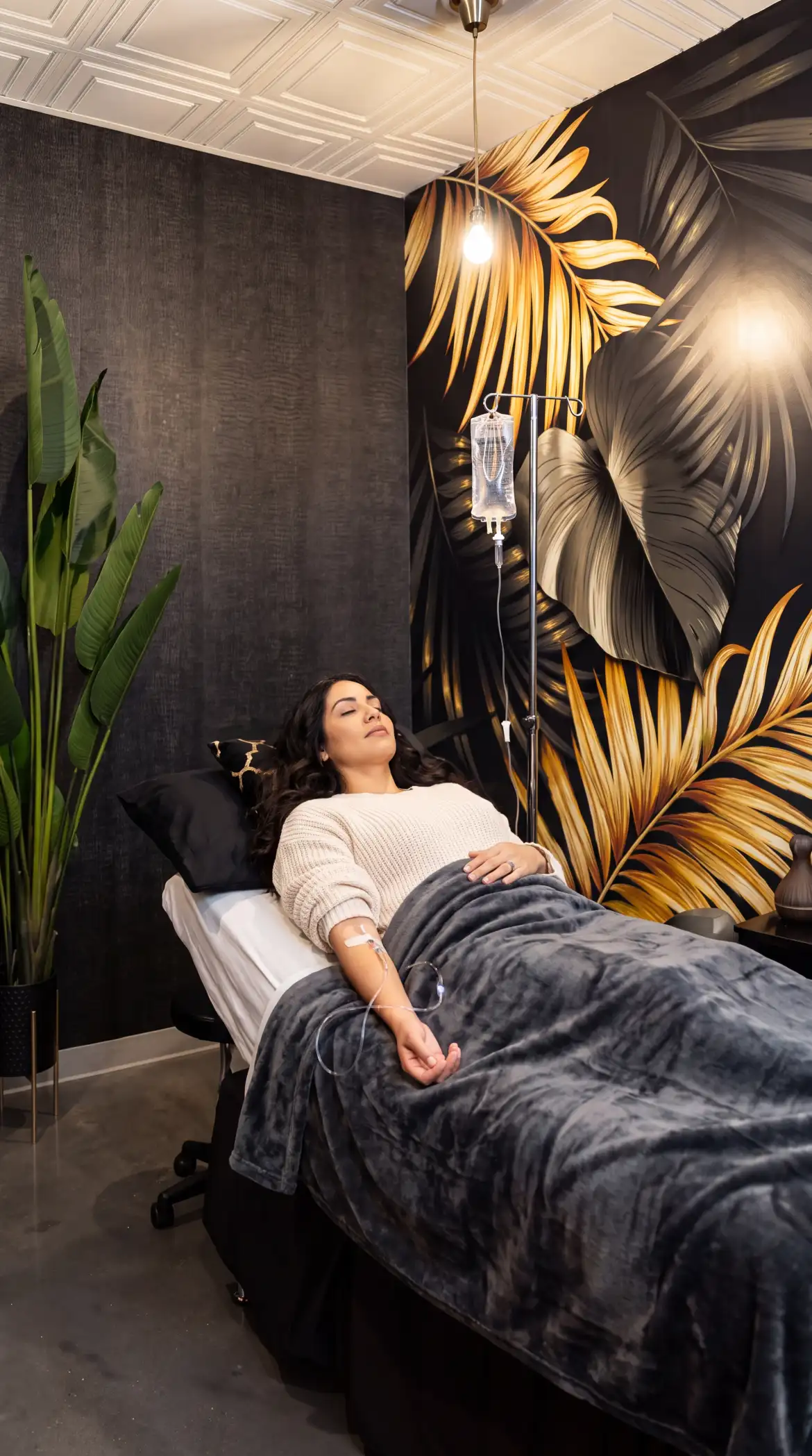
NAD+, vitamin drips, pushes and B-12 shots in a private room, from five minutes to half a day.
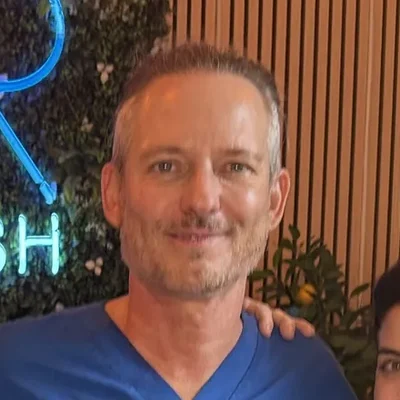 Dr. FisherMD, Medical Director
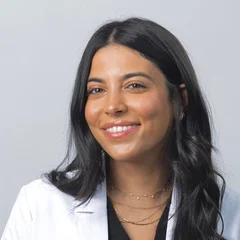 KianaPA-C
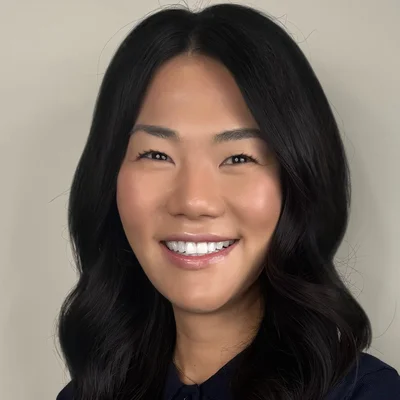 YiweiPA-C
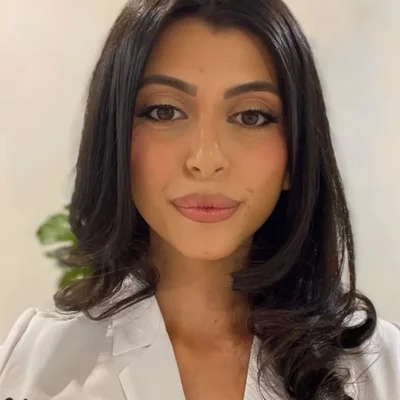 MeleniePA-C
- 4.8 from 204 Google reviews
- Supervised NAD+ and vitamin IVs
- Free consultation
- Dr. FisherMD, Medical Director
- KianaPA-C
- YiweiPA-C
- MeleniePA-C
- 8
- Drips, pushes and shots
- 5
- Minutes, the vitamin push
- 2 to 4
- Hours, a full NAD+ IV
- 0
- Days of downtime
Times Dr Refresh publishes for each IV. Your provider sets the dose and drip rate.
Which IV fits your day.
- Low energy
- The Energizer for B vitamins and electrolytes, or NAD+ for a longer session. Many guests report more energy within hours.
- Brain fog
- A full NAD+ infusion, then the Micro Boost to keep it up. Many guests describe clearer focus.
- A big night
- Hair of the Dog rehydrates you and skips your stomach. Most guests feel better before the drip ends.
- Travel and flu season
- The Invincibility Shield, with high-dose vitamin C and zinc, weekly or every other week in winter.
- No time
- The Mega Vitamin Push in under five minutes, or the NAD+ Micro Boost in 15 to 30.
- Low B12
- Add a B-12 shot to any IV for $40. Common for vegetarians, vegans and older adults.
What is IV therapy?
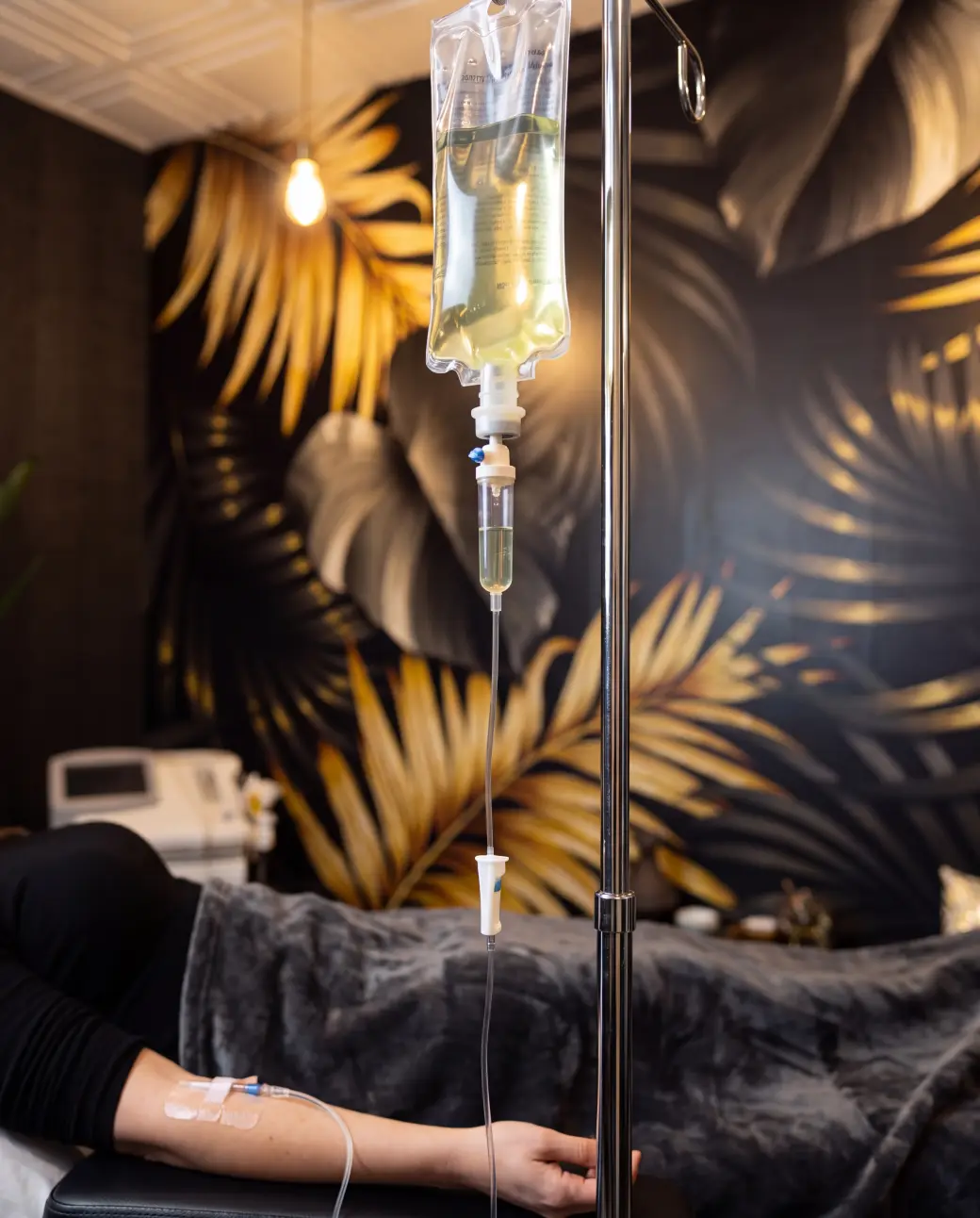
IV therapy delivers vitamins, minerals, fluids or NAD+ straight into your bloodstream, past the digestive system. Some are slow drips, some are quick pushes by hand, and the B-12 Booster is a shot into the upper arm.
At Dr Refresh in West Hollywood, Dr. Edmund Fisher oversees every IV, you get a health screening before your first session, and your provider sets the dose.
How an IV works at Dr Refresh.
Your first visit starts with a health screening and your provider sets the dose. Slow drips like NAD+ run at a rate adjusted to how you feel: if you notice warmth or tightness, we slow it and it settles. Pushes go in by hand in minutes, and you can add glutathione or a B-12 shot to any IV for $40 each.
- Health screening before your first session
- Dose set by your provider
- Drip rate adjusted to how you feel
Tell us about every medication and condition at your screening. Not a fit during pregnancy without your physician's okay.
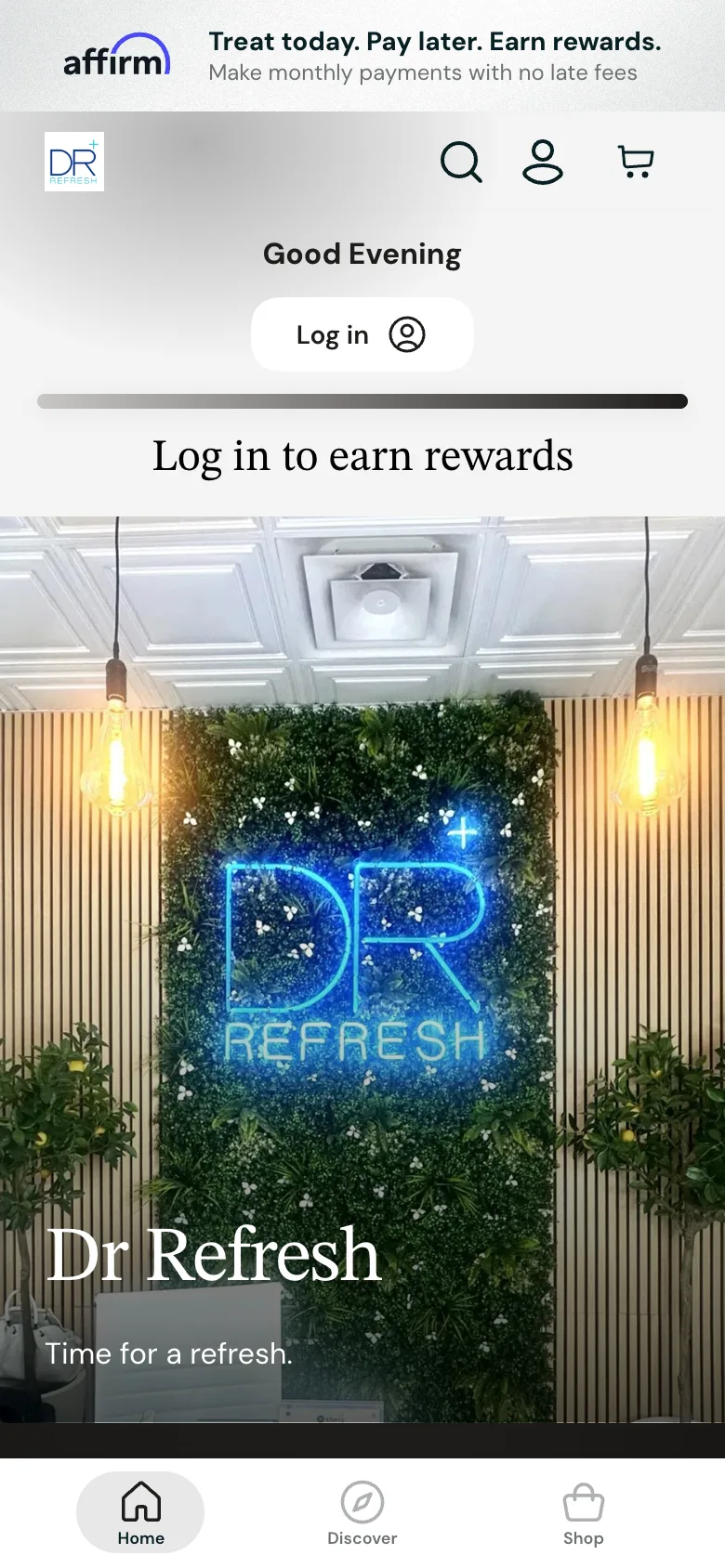
Every visit earns something.
The Dr Refresh app keeps your rewards, member pricing and monthly payments in one place.
$50 when you join. Toward any in‑app order of $150 or more.
Rewards for showing up. A free B12 booster at 6 visits, a free HydraFacial at 24.
$50 for every friend. They get $50 off their first order of $150 or more.
Your IV visit, start to finish.
Before
Eat a light meal and drink water. For NAD+, skip alcohol for 24 hours.
First minutes
Health screening, then a brief pinch as the IV goes in.
5 minutes to 4 hours
Relax in a private room. Pushes take minutes, NAD+ takes an afternoon.
After
Hydrate and go back to your day. After NAD+, skip intense exercise for the day.
4.8 stars, 204 Google reviews
“An absolutely wonderful med spa. They have every level of treatment possible and their staff is world class.”
L.C. Google
“It was wonderful working with Dr. Edmund Fisher at Dr Refresh. He calmed my nerves and made me feel comfortable.”
Aluna Prado Morpheus8, Google
“Just got my second Hydrafacial with Sanaz. She is amazing and my skin is the best after seeing her.”
Eloise Alterman Hydrafacial, Google
“Morpheus 8 is hands down worth it.”
H.H. Morpheus8, Google
“I feel better than I have in years. Energized, youthful, confident.”
Jennifer M. Google
You may also like.
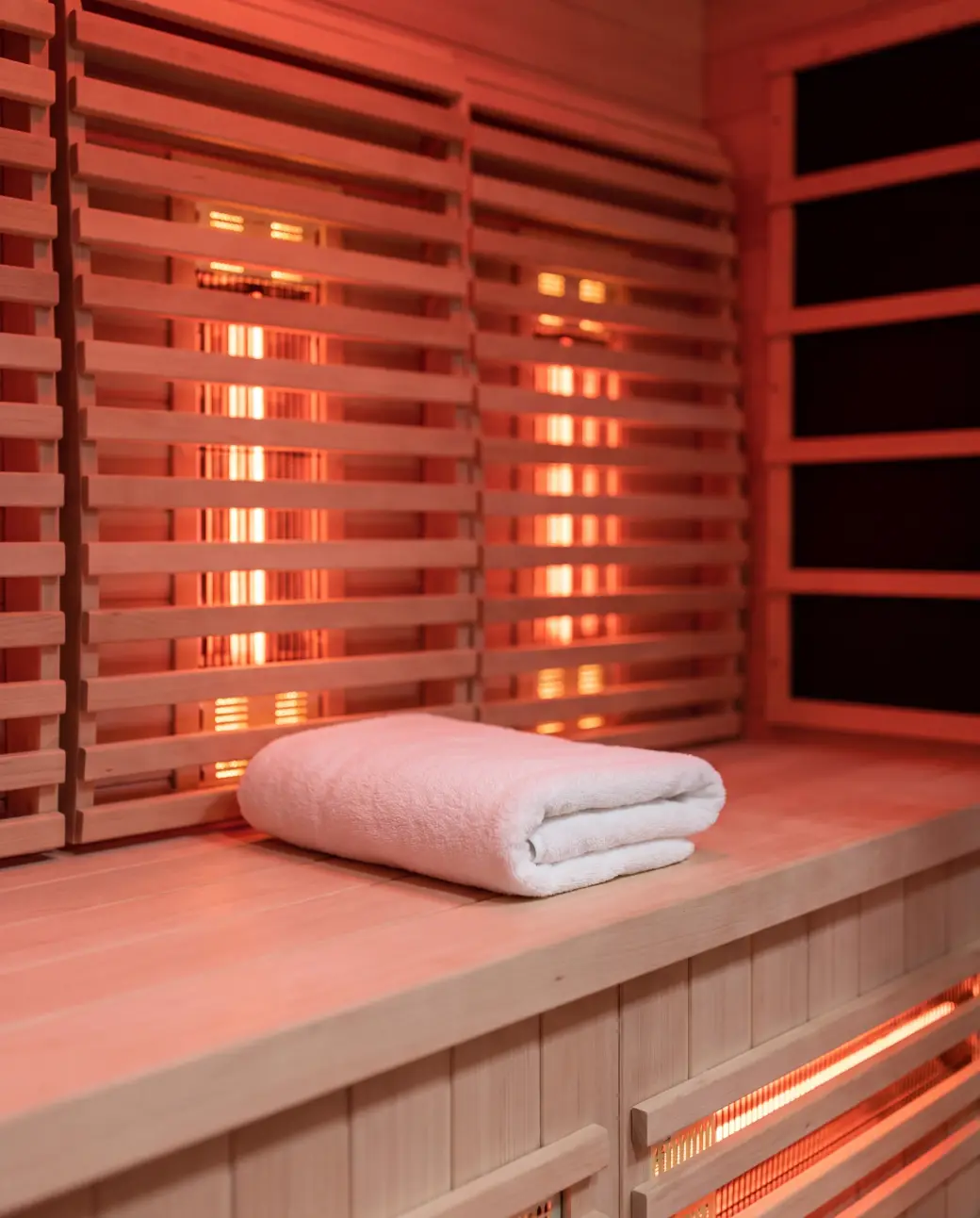
Infrared Sauna
Deep heat at 120 to 150°F, easy to breathe.
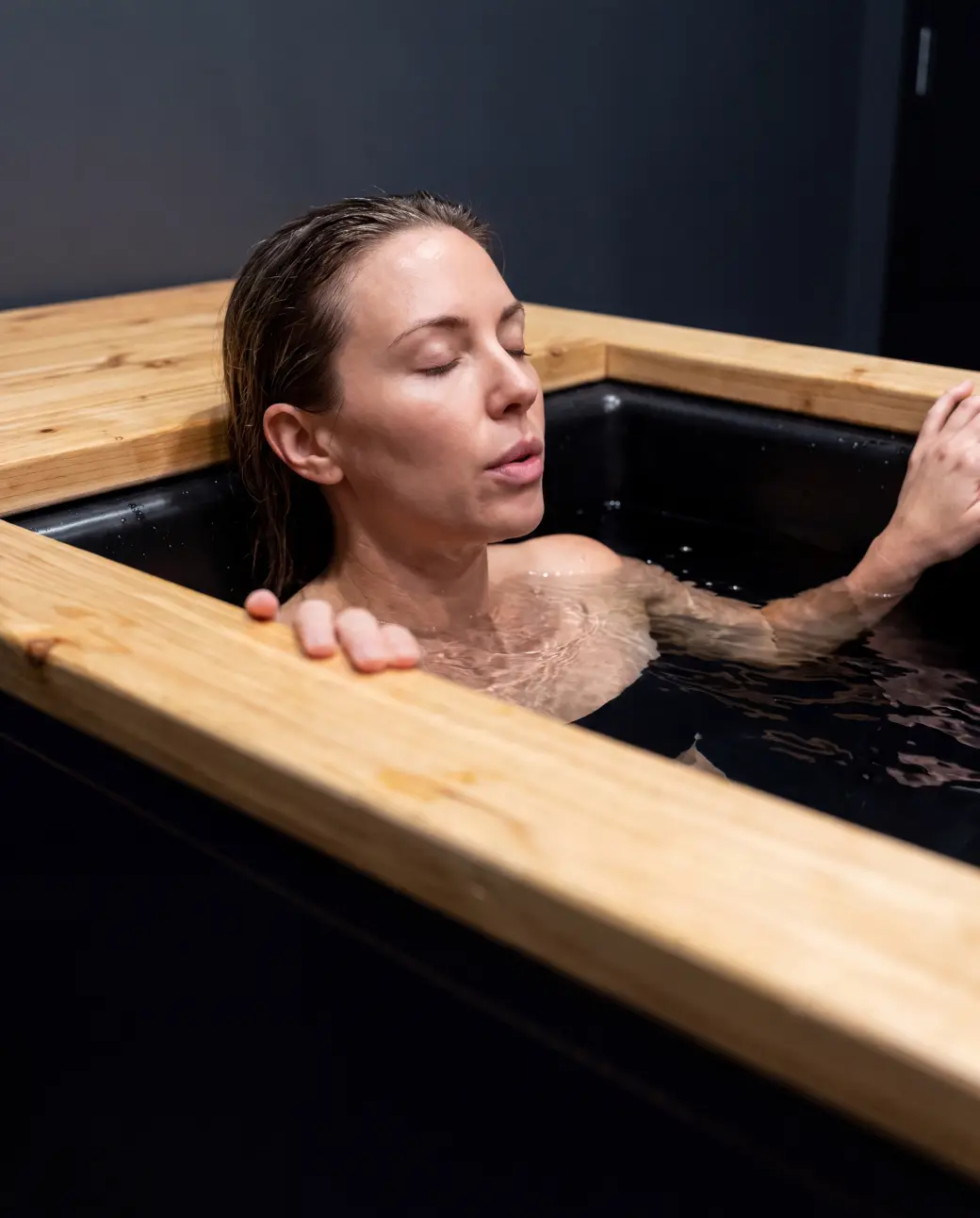
Ice Bath
A supervised two to five minute cold plunge.
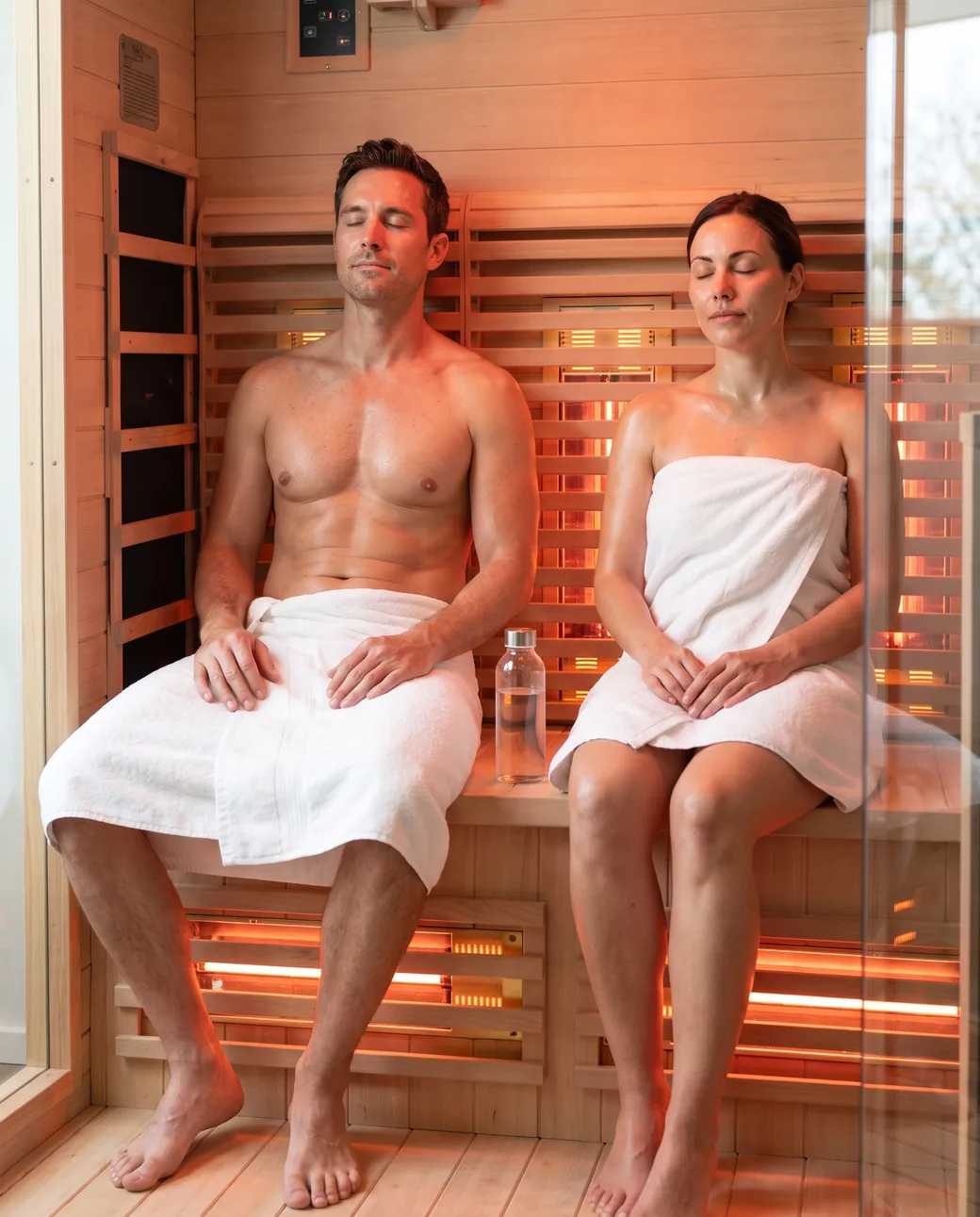
Contrast Therapy
Sauna and cold plunge in one private room.

Morpheus8 Cool
Microneedling RF with cooling for less discomfort.
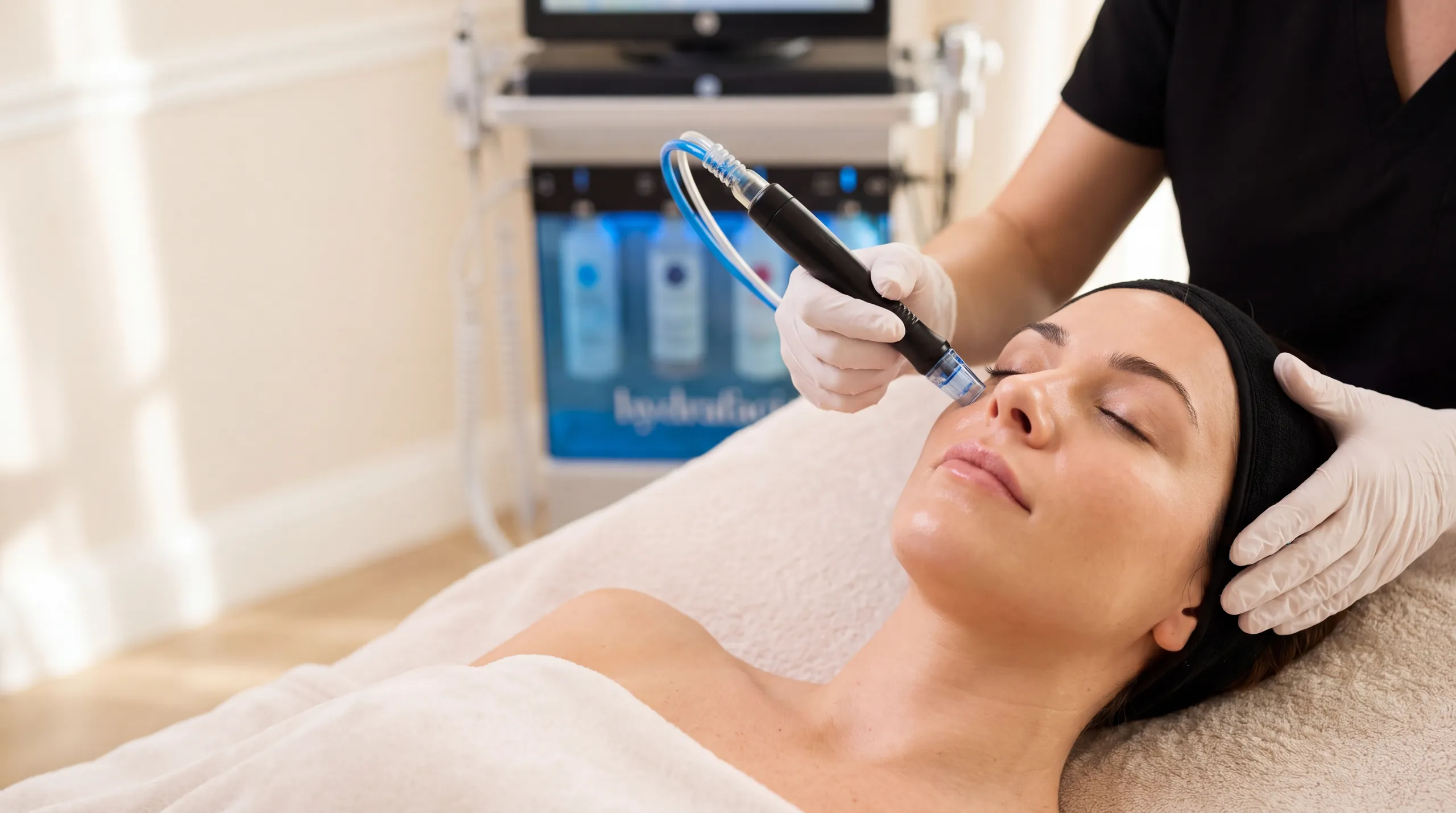
HydraFacial
Cleanse, exfoliate and hydrate in one visit.
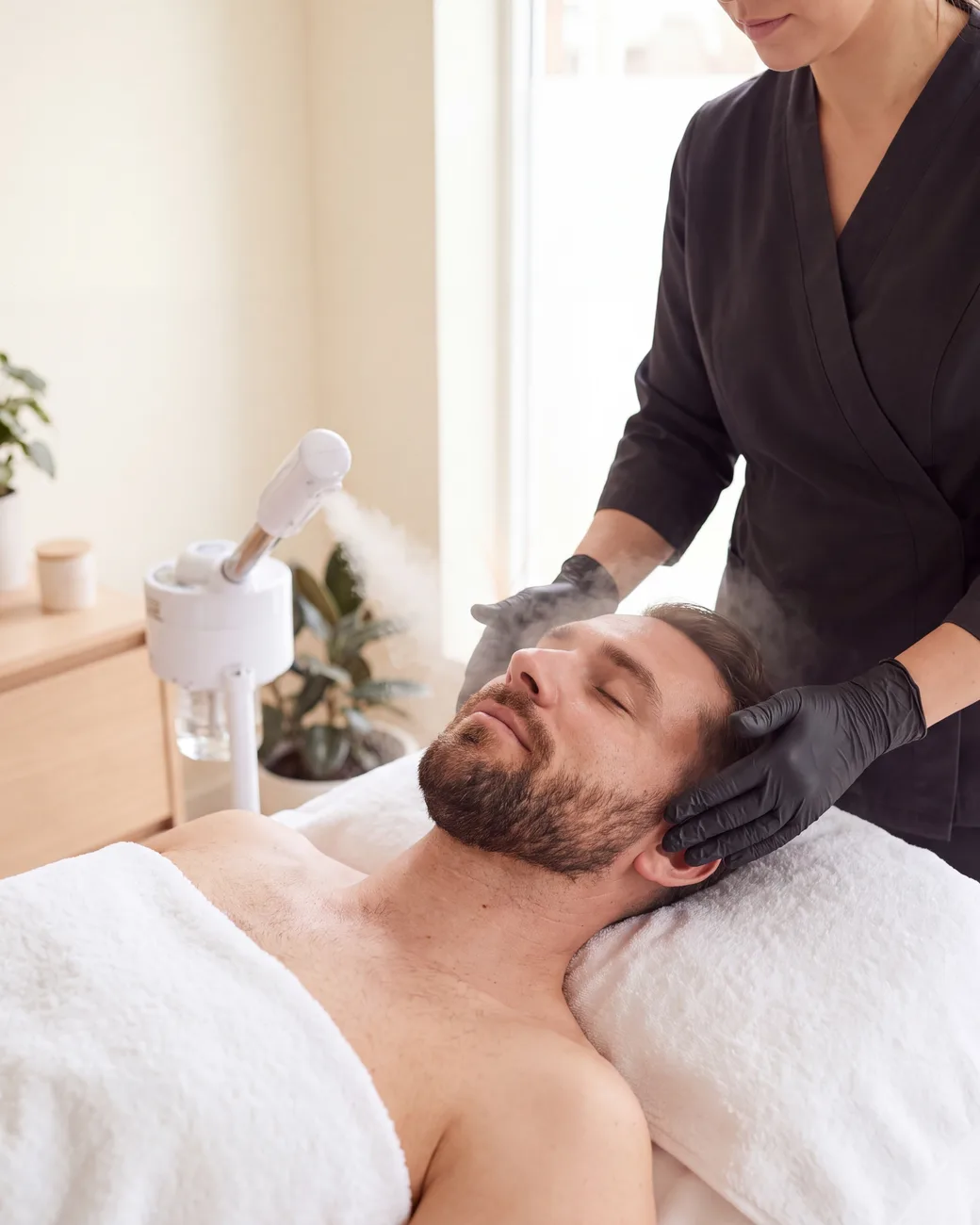
Gentleman's Facial
Deep cleanse and razor bump care for men.
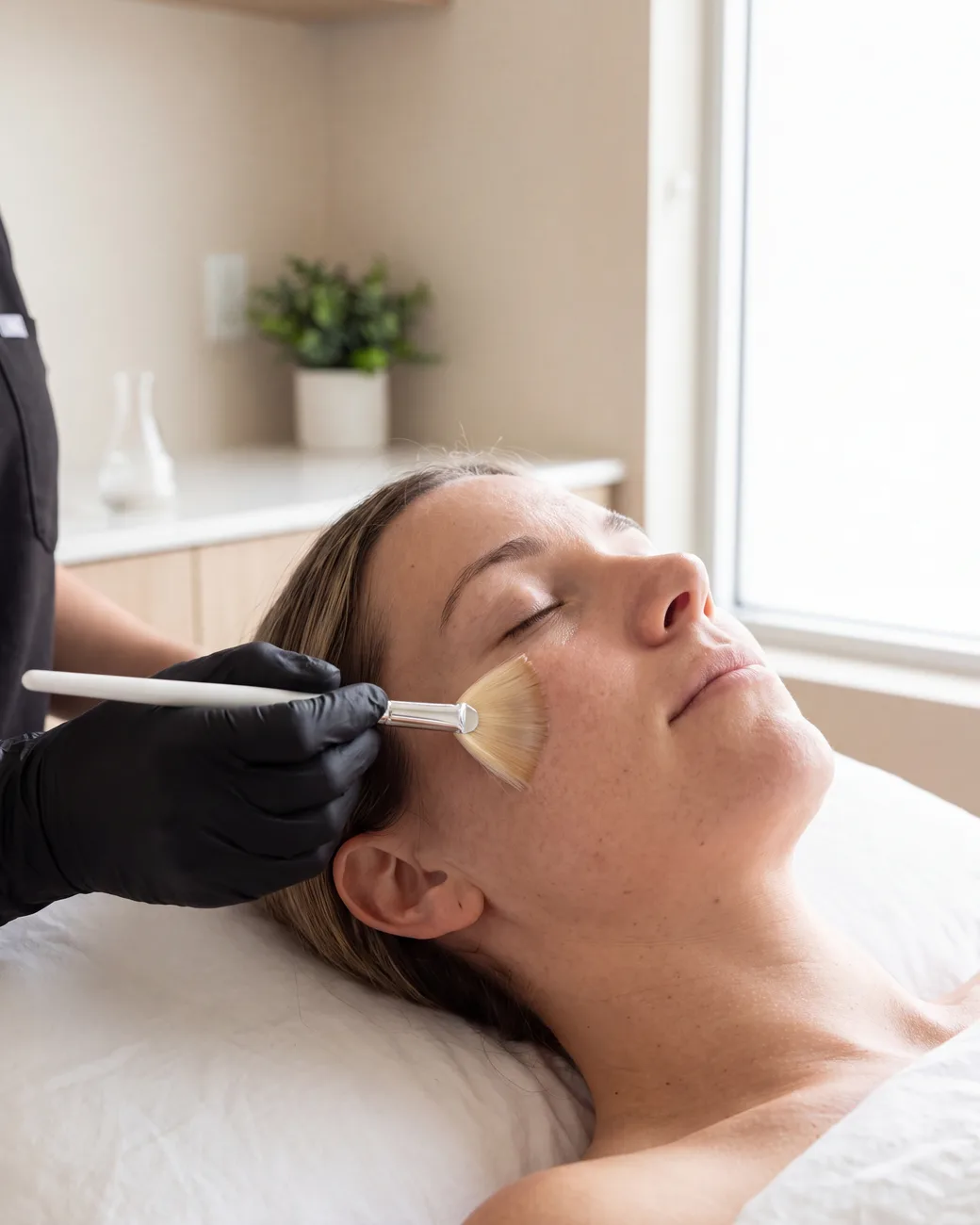
Chemical Peel
Smoother texture and more even tone.

Morpheus8 2.0
Tighter, smoother skin on the face and neck.
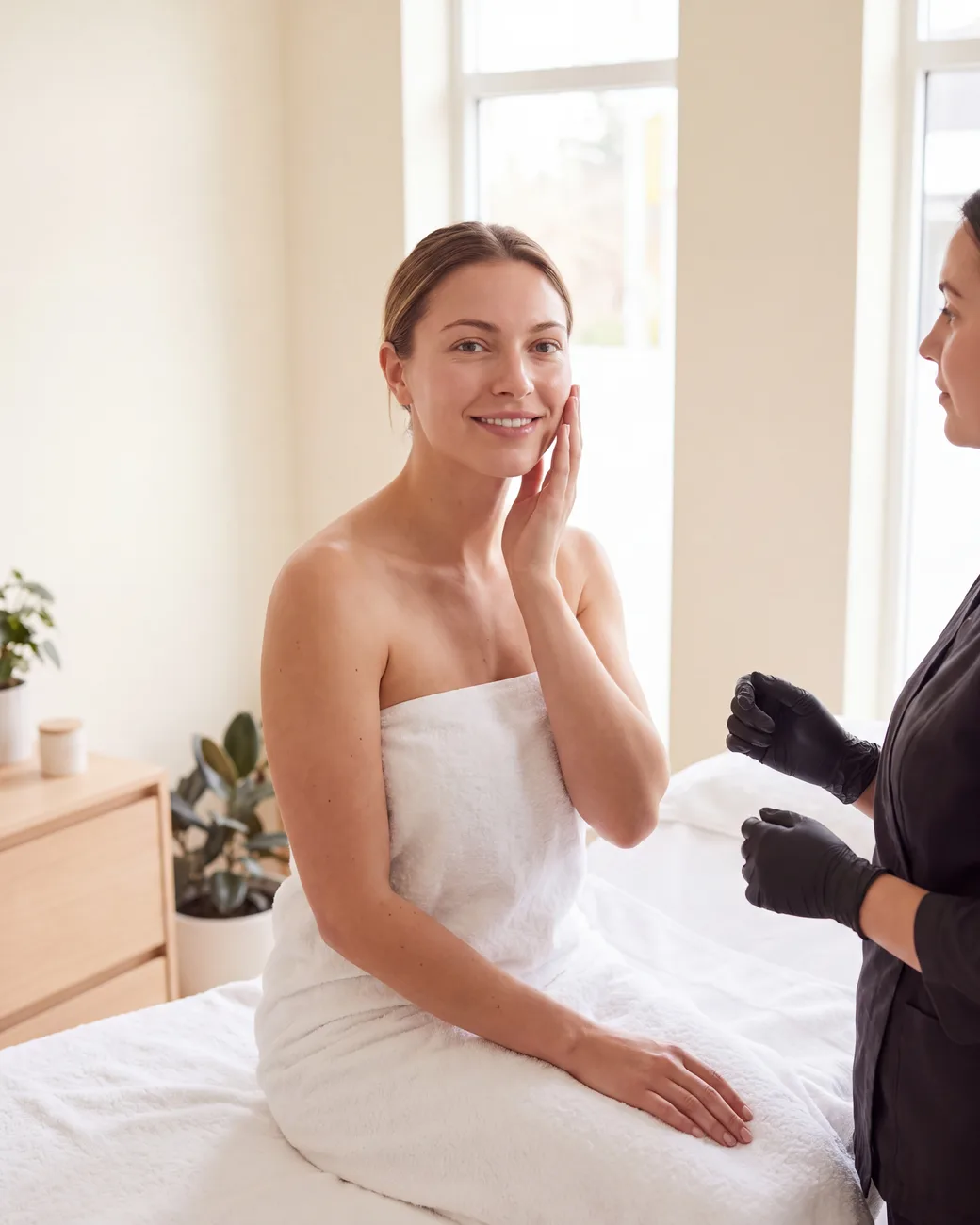
Clear + Brilliant
A gentle laser for tone, pores and fine lines.
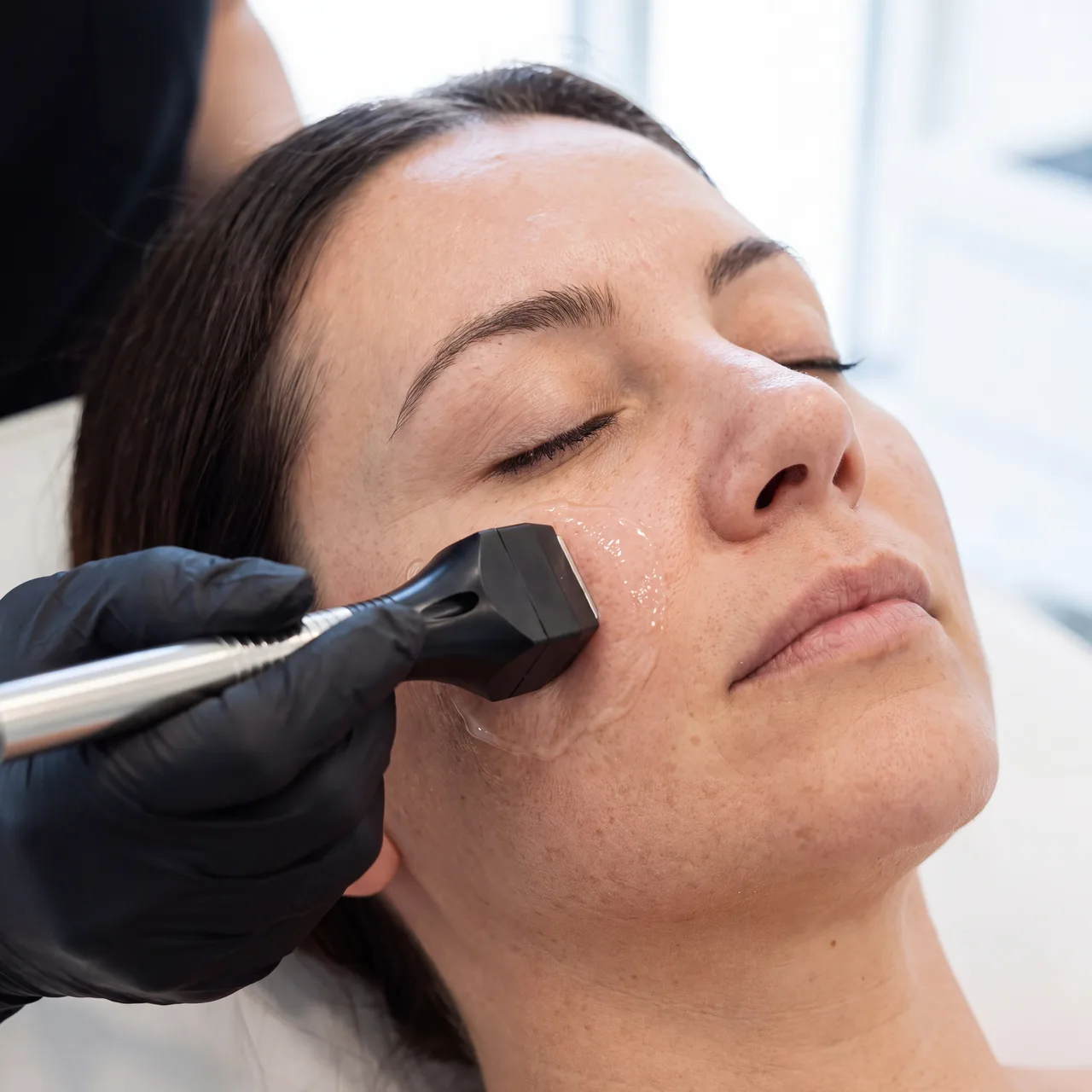
Forma RF
Firmer face and neck with warm RF, no downtime.

Lumecca IPL
Fade sun spots, age spots and redness.
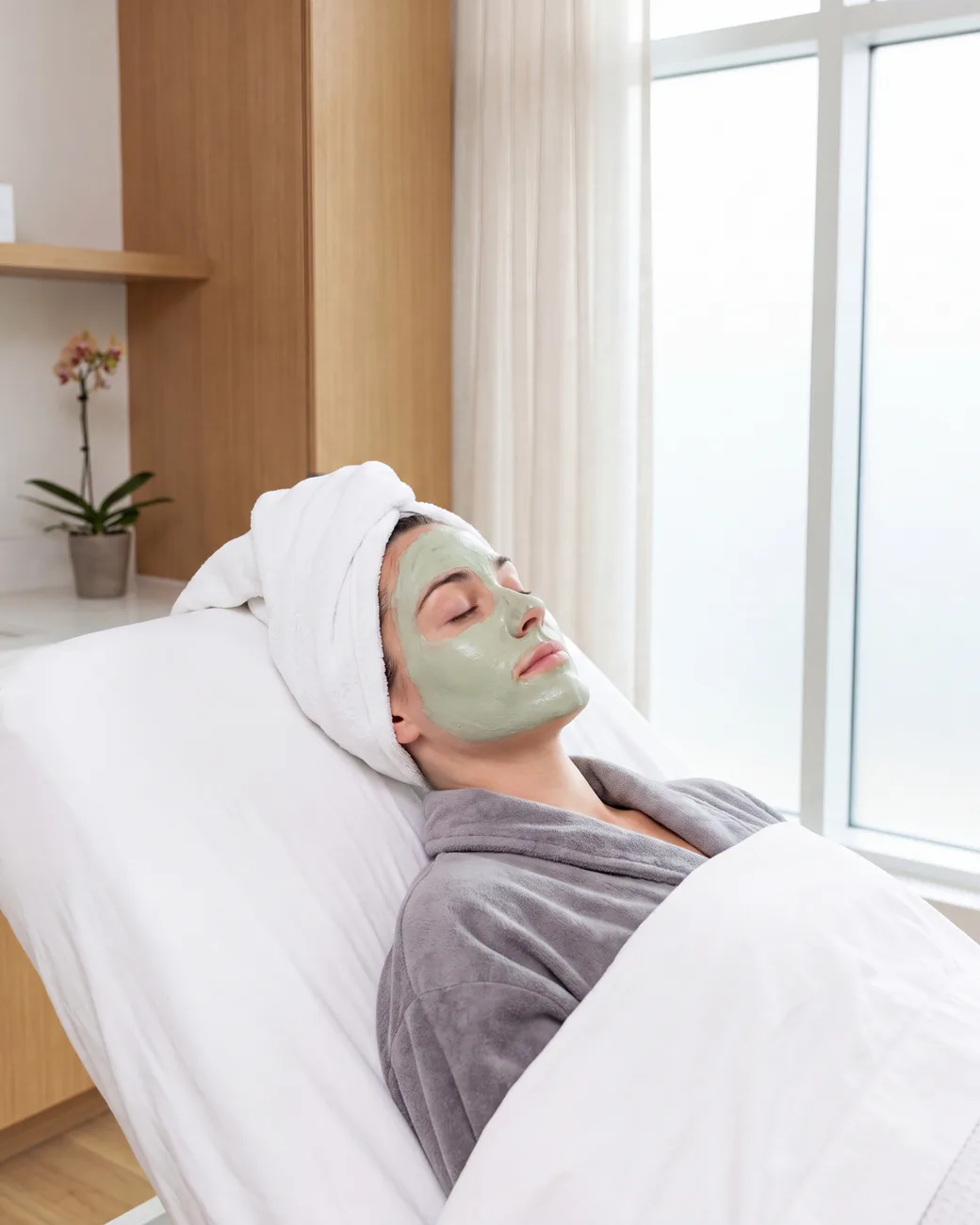
Custom Facial
A facial built around your skin that day.
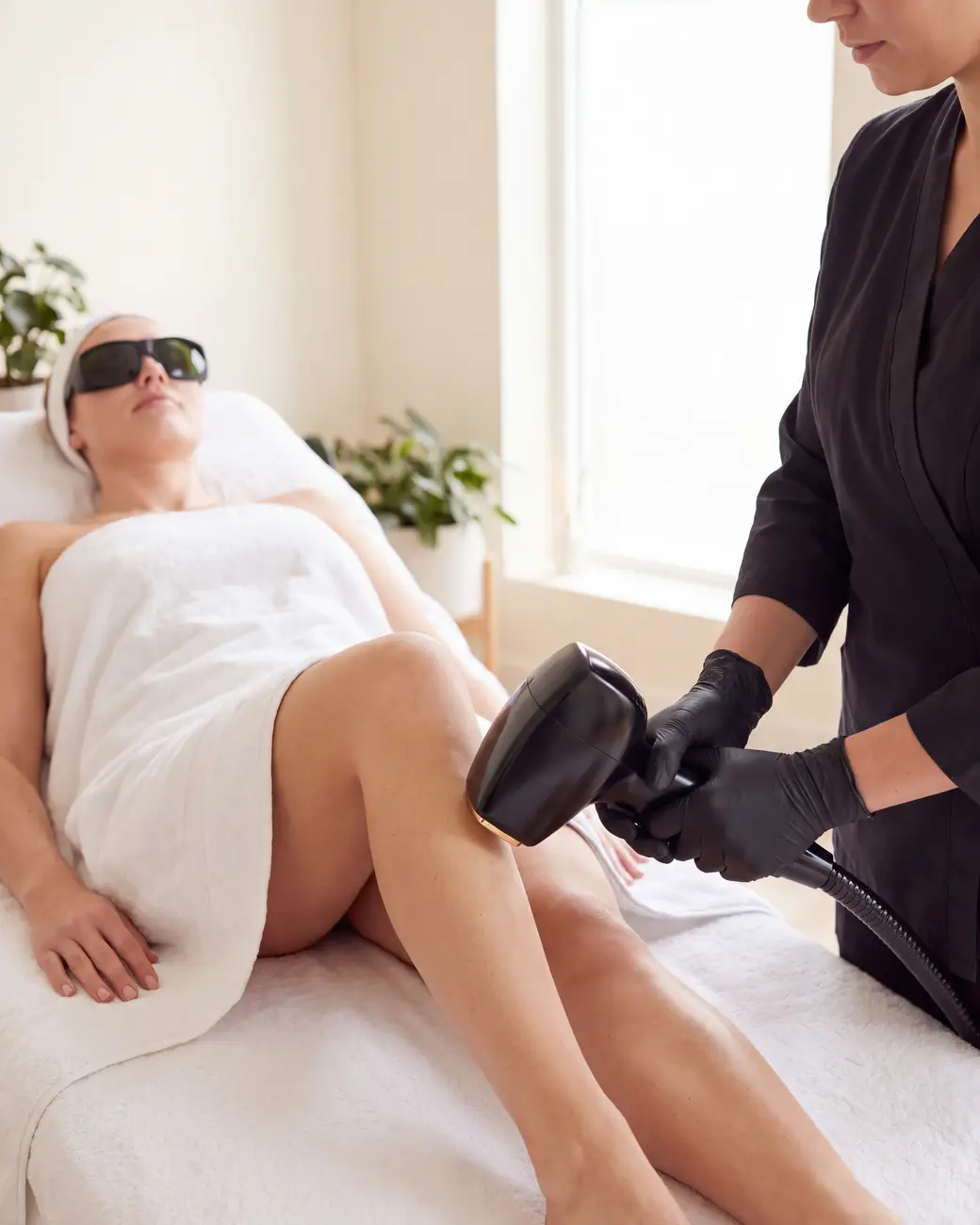
Laser Hair Removal
70 to 90 percent less hair after a full series.
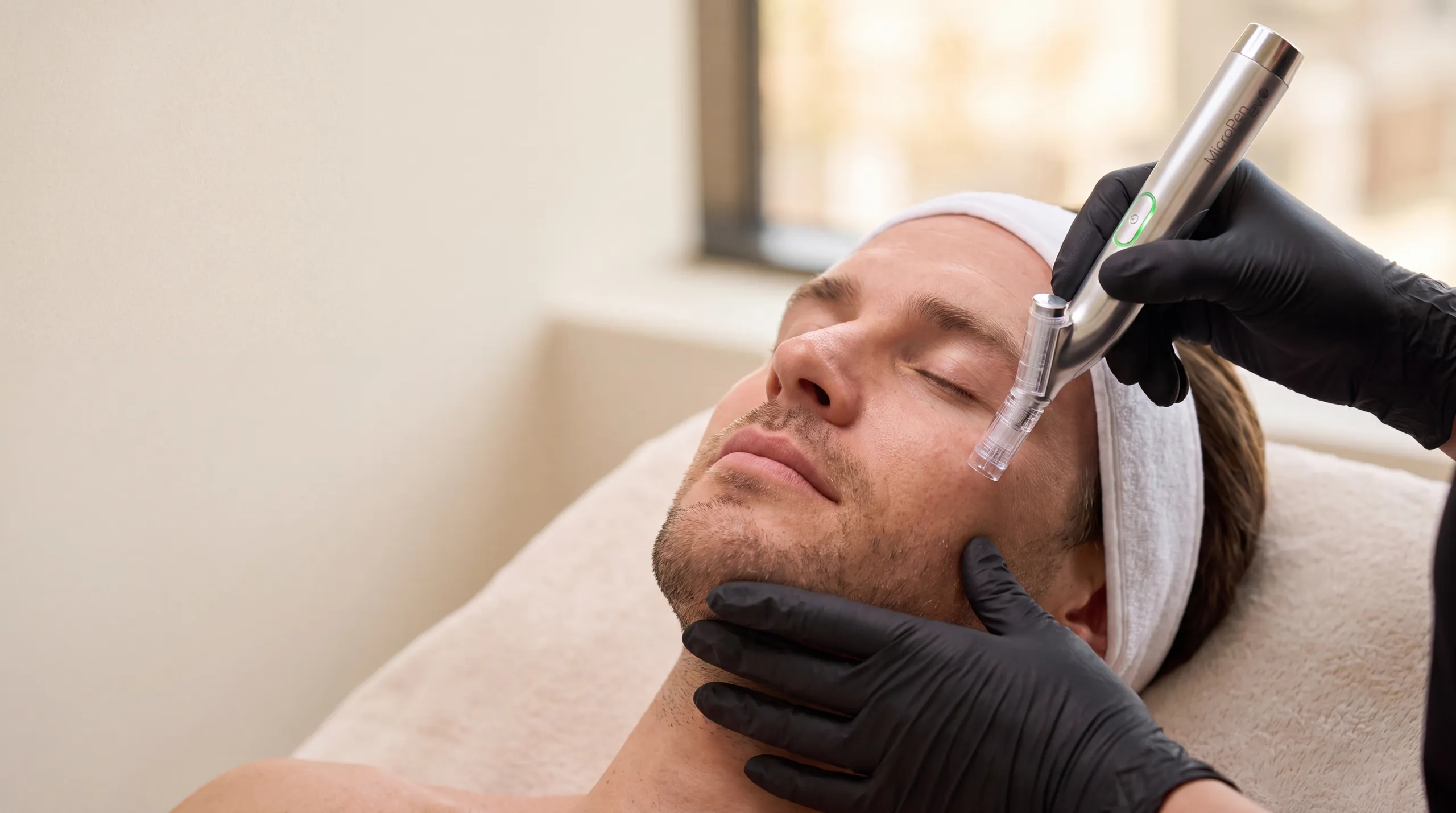
Microneedling
Smoother texture, softer scars and pores.
Wrinkle Relaxers
Soften forehead lines, frown lines and crow's feet.

Dermal Filler
Restore volume to lips, cheeks and jawline.
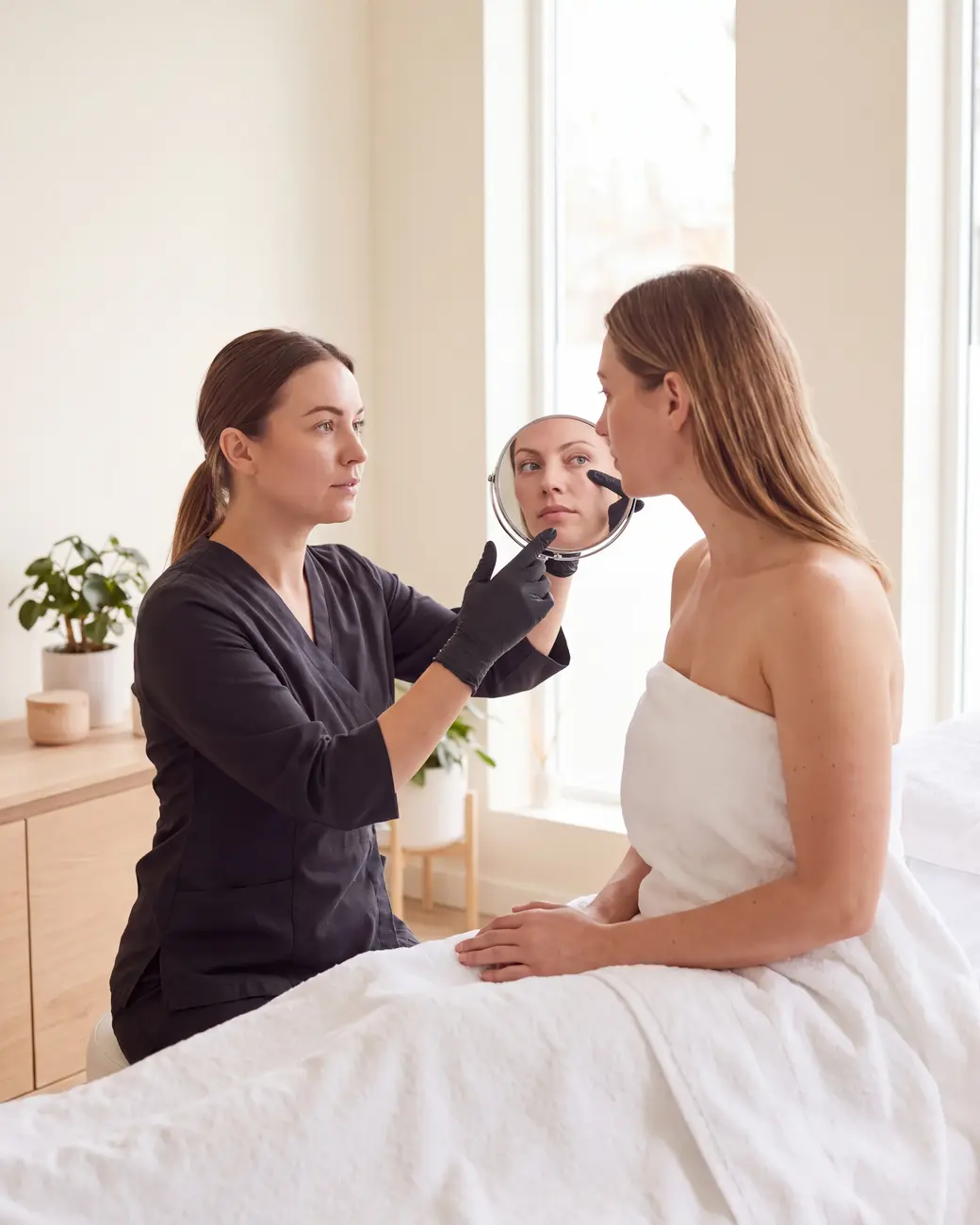
Under-Eye Collagen Induction
Softer dark circles and crepey skin, from your own blood.
EMsculpt NEO
Build muscle and reduce fat in 30 minutes.
Morpheus8 Body
Firmer skin on the stomach, arms, thighs and knees.
Rhinoplasty
Cosmetic, functional and revision nose surgery with Dr. Fisher.
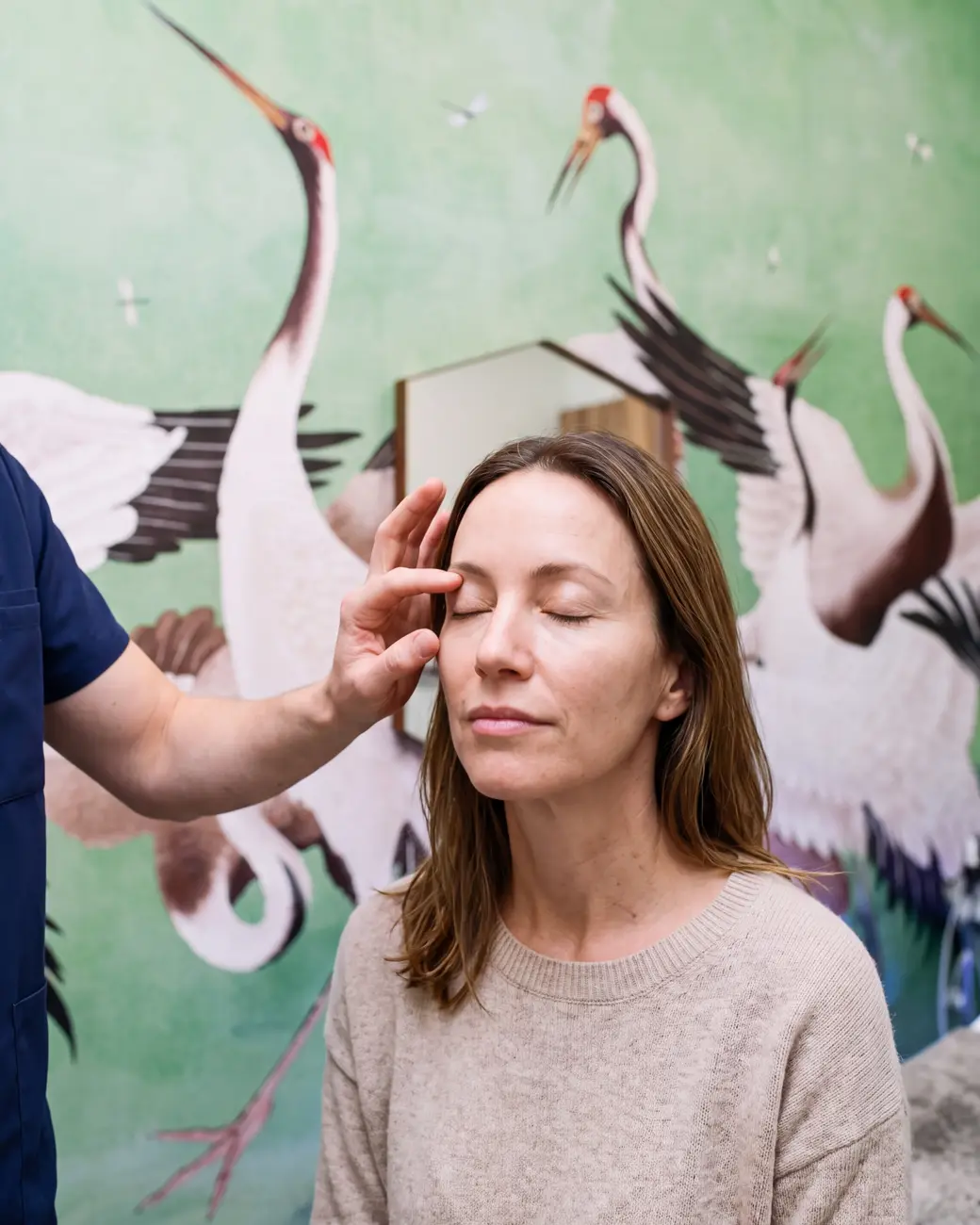
Eyelid Surgery
Upper and lower blepharoplasty for heavy lids and bags.
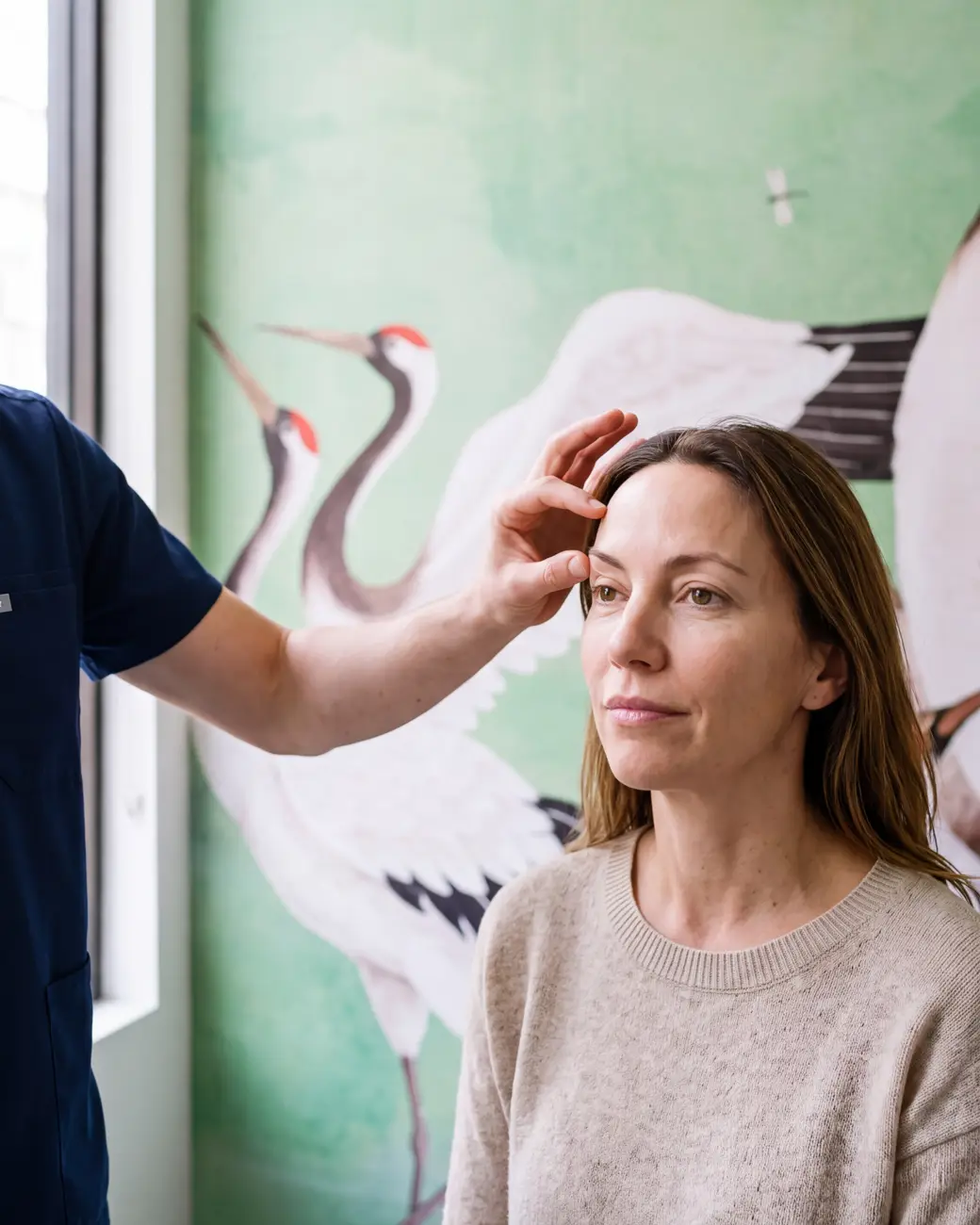
Brow Lift
An endoscopic lift through small incisions behind the hairline.
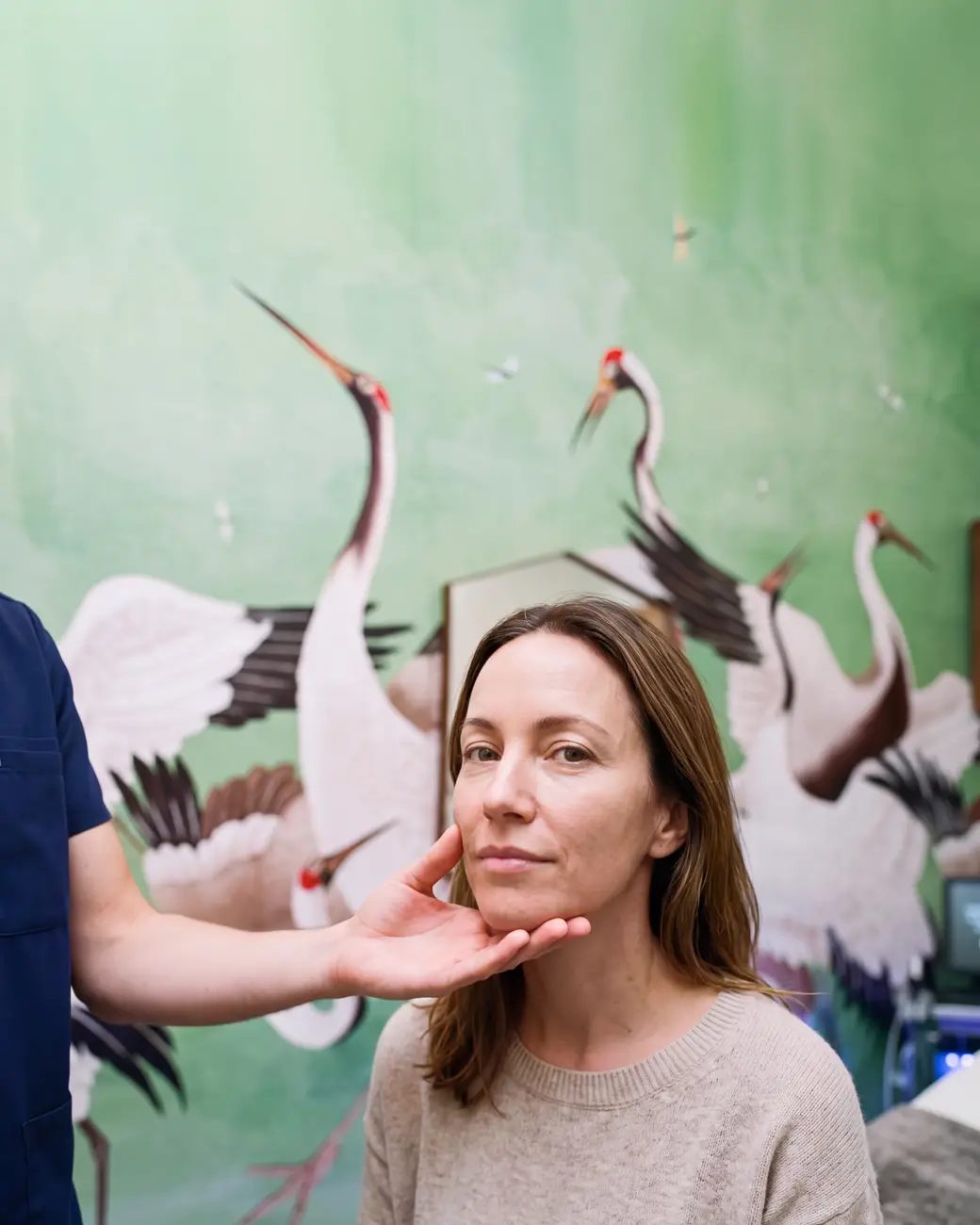
Face and Neck Lift
Extended deep plane lifts that look natural, not pulled.
Book your IV.
Complimentary IV Therapy consultation in West Hollywood. Tell us a little about you and our front desk will be in touch.
Rather book yourself? Book online or call (323) 530-2879.
IV therapy questions, answered.
Which IV should I book?
Low energy: The Energizer or NAD+. After a big night: Hair of the Dog. Travel or flu season: the Invincibility Shield. Short on time: the Mega Vitamin Push. Your provider can help you choose at your screening.
What is NAD+ IV therapy?
An intravenous infusion of NAD+, a coenzyme in every living cell that your body uses for energy production and DNA repair. It runs two to four hours, so plan for half a day. $650 for 500 mg or $1,000 for 1,000 mg.
How is the NAD+ Micro Boost different?
A lower dose of NAD+ given as a push in 15 to 30 minutes instead of two to four hours. Guests use it to try NAD+ or to stay topped up between full infusions.
What is in The Energizer?
B-complex (B12, B6, B5), taurine, L-carnitine, magnesium, vitamin C and electrolyte-balanced saline. No caffeine. It takes 30 to 45 minutes and costs $200 to $300.
What is in the Invincibility Shield?
High-dose vitamin C, zinc, B-complex (including B12 and B6), selenium, magnesium and hydrating saline, in 30 to 60 minutes. It works alongside sleep, diet and the care your physician recommends, not instead of them.
What is in Hair of the Dog?
Saline, electrolytes, B vitamins, vitamin C, magnesium and calcium, in 30 to 45 minutes. The IV skips your stomach. It is a recovery tool, never a reason to drink more.
What are the add-ons?
Glutathione, an antioxidant push, is $50, and the B-12 Booster, a vitamin B12 shot into the upper arm, is $40. Either can be added to any IV.
What is the Mega Vitamin Push?
30 mL of B-complex, vitamin C, magnesium, calcium and zinc, pushed by hand in under five minutes.
Is it painful?
A brief pinch as the IV or needle goes in. Some people notice warmth during NAD+, which we manage by slowing the drip, or a slight sulfur taste with glutathione.
How long do the effects last?
It depends on the IV: several days for the Micro Boost, three to seven days for The Energizer, one to two weeks for glutathione, the Mega Vitamin Push and B-12, and one to three weeks per NAD+ session for many guests.
Is there downtime?
None. Most guests go straight back to their day.
Are there side effects?
Usually mild and brief: warmth, flushing, slight nausea, or bruising or tenderness where the IV went in.
How much does IV therapy cost in West Hollywood?
Vitamin IVs (The Energizer, Invincibility Shield, Hair of the Dog) are $200 to $300. NAD+ IV is $650 for 500 mg or $1,000 for 1,000 mg. Glutathione is a $50 add-on and B-12 is $40. The NAD+ Micro Boost and Mega Vitamin Push are $150 each.
Read more about IV Therapy.
Important safety information
Every IV at Dr Refresh is overseen by Dr. Edmund Fisher and given by trained clinical staff, with a health screening before your first session.
Tell us about any heart, kidney or liver condition, medications, or pregnancy before you book. Stop and tell us if you feel unwell. Experiences vary. This page is not medical advice.